
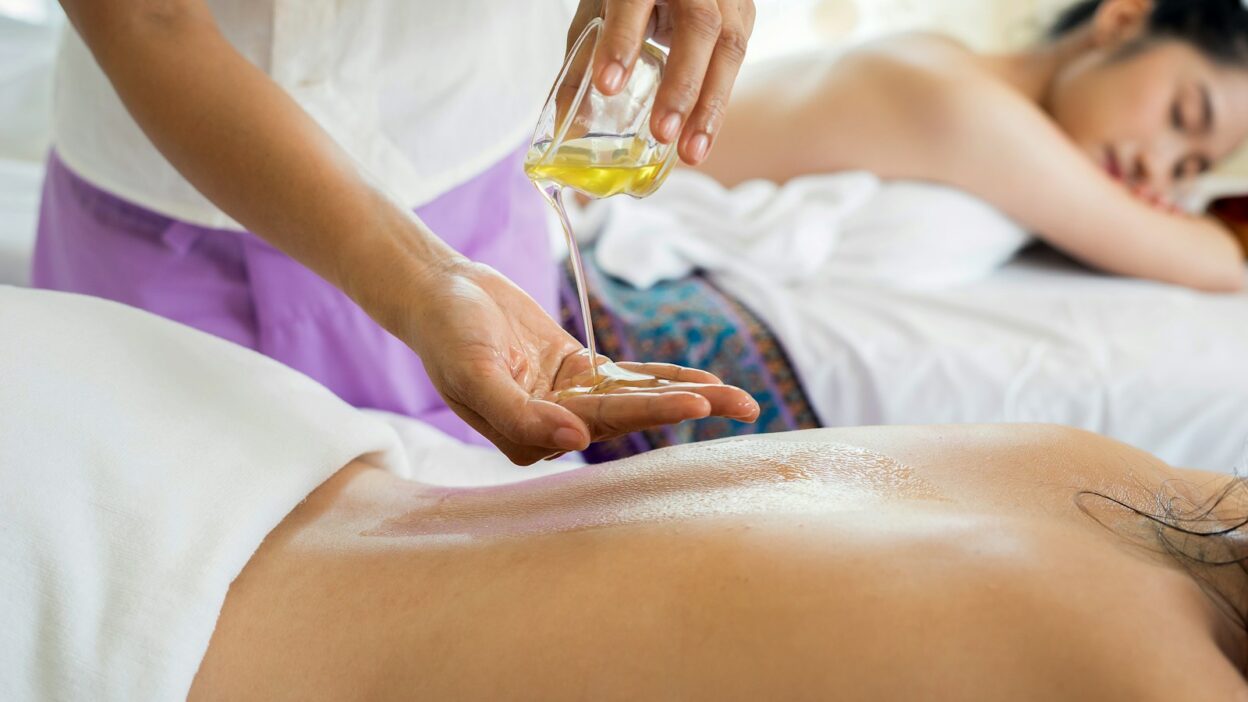
Understanding the science of touch reveals massage benefits…
The Science of Touch: How Massage Affects Your Body
Science of Touch is an important aspect of wellness that deserves thorough understanding. This comprehensive guide explores everything you need to know about science of touch, from fundamental concepts to advanced applications.
Introduction to Science of Touch
Understanding science of touch is essential for anyone seeking to improve their health and well-being. This guide provides comprehensive insights into science of touch, helping you make informed decisions about your wellness journey.
Science of Touch has been practiced for centuries across different cultures, each contributing unique perspectives and techniques. Today, it continues to evolve as research uncovers new benefits and applications.
The Science Behind Science of Touch
How It Works
The mechanisms behind science of touch involve complex interactions between physical, chemical, and psychological factors. When performed correctly, science of touch can produce measurable changes in the body.
- Physiological Effects: Changes in blood flow, hormone levels, and muscle tension
- Psychological Effects: Reduction in stress hormones, improved mood, enhanced relaxation
- Circulatory Effects: Improved blood and lymph flow throughout the body
- Neurological Effects: Activation of the parasympathetic nervous system
Research Findings
Scientific studies have documented numerous benefits of science of touch:*
- Studies show significant reduction in stress markers
- Research indicates improved sleep quality
- Evidence supports pain management benefits
- Findings demonstrate enhanced immune function
- Long-term studies confirm sustained benefits
- Clinical trials validate therapeutic effectiveness
Benefits of Science of Touch
Physical Benefits
science of touch offers numerous physical benefits that contribute to overall health:
- Improved Circulation: Enhanced blood flow delivers more oxygen and nutrients to tissues
- Reduced Muscle Tension: Relief from tightness and knots in muscles
- Better Flexibility: Increased range of motion and joint mobility
- Enhanced Recovery: Faster healing from injuries and exercise
- Improved Posture: Better alignment through balanced musculature
- Boosted Immunity: Strengthened immune response
Mental and Emotional Benefits
The mental and emotional benefits are equally important:
- Stress and anxiety reduction
- Improved mood and emotional balance
- Better sleep patterns
- Enhanced mental clarity and focus
- Increased sense of well-being
- Better coping mechanisms for daily challenges
Types and Techniques
Primary Approaches
There are several approaches to science of touch, each with unique characteristics:
Technique 1: Foundation Method
This fundamental approach focuses on establishing a solid base for all other techniques. It’s essential for beginners to master these basics before advancing.
Technique 2: Advanced Application
Building on foundational skills, this approach adds complexity and depth to treatments. It’s suitable for those with experience.
Technique 3: Specialized Focus
This method targets specific areas or conditions, providing targeted relief and therapeutic benefits.
Choosing the Right Approach
Selecting the appropriate technique depends on:
- Your specific goals and needs
- Your experience level
- Any existing health conditions
- Personal preferences
- Available time and resources
What to Expect
Before Your Session
Proper preparation enhances your experience:
- Hydrate well the day before
- Avoid heavy meals 2-3 hours beforehand
- Wear comfortable clothing
- Arrive 10-15 minutes early
- Prepare any questions or concerns
During the Session
Typical session elements include:
- Initial consultation to discuss goals
- Assessment of problem areas
- Treatment using appropriate techniques
- Regular check-ins about comfort
- Post-treatment recommendations
After Your Session
Maximize benefits with proper aftercare:
- Continue hydration
- Allow time for rest and recovery
- Follow any recommended self-care practices
- Note any changes or observations
- Schedule follow-up if needed
Who Can Benefit?
General Population
science of touch is suitable for most people, including:
- Office workers dealing with sedentary lifestyle effects
- Athletes and fitness enthusiasts
- Individuals experiencing stress
- People with chronic pain conditions
- Those seeking preventive health measures
Special Considerations
Certain groups may benefit especially from science of touch:*
- Pregnant women (with modified techniques)
- Elderly individuals seeking mobility improvement
- Rehabilitation patients
- Those with anxiety or depression
- People recovering from illness or surgery
Safety and Precautions
General Safety
science of touch is generally safe when performed by qualified professionals. However, certain precautions apply:
- Always choose licensed, experienced practitioners
- Communicate openly about health conditions
- Report any discomfort immediately
- Follow aftercare instructions
Contraindications
Certain conditions may require medical consultation before science of touch:*
- Pregnancy (certain techniques may be contraindicated)
- Blood clotting disorders
- Recent surgery
- Certain skin conditions
- Uncontrolled hypertension
Frequency and Duration
Recommended Schedule
The optimal frequency depends on individual needs:
| Goal | Recommended Frequency |
|---|---|
| Maintenance | Monthly |
| Stress management | Bi-weekly |
| Pain management | Weekly initially |
| Sports recovery | Weekly or bi-weekly |
Session Length
Choose duration based on your needs:
- 30 minutes: Quick touch-up, specific area focus
- 60 minutes: Standard full treatment
- 90 minutes: Comprehensive treatment with extra time
- 120 minutes: Extended session for extensive work
Cost Considerations
Pricing Factors
Cost varies based on:
- Practitioner experience and qualifications
- Location and facility type
- Session length
- Specific techniques used
- Package deals and memberships
Maximizing Value
Tips for getting the most from your investment:
- Consider package deals for regular sessions
- Look for membership programs
- Check for corporate wellness discounts
- Combine with home care practices
Building a Practice
Establishing a Routine
Incorporate science of touch into your wellness routine:
- Set realistic goals
- Schedule sessions in advance
- Track progress and results
- Adjust frequency as needed
- Maintain consistency
Home Care Practices
Support professional treatments with home care:
- Self-massage techniques
- Stretching routines
- Stress management practices
- Proper hydration and nutrition
- Adequate rest and sleep
- Personalization: Every individual is unique, and approaches should be tailored accordingly
- Consistency: Regular practice yields better long-term results
- Communication: Open dialogue ensures optimal outcomes
- Persistence: Results take time but are worth the effort
- Balanced Approach: Combining multiple strategies enhances effectiveness
- Studies published in major medical journals demonstrate significant benefits
- Clinical trials show improved outcomes compared to control groups
- Longitudinal studies indicate sustained effects over extended periods
- Meta-analyses confirm the therapeutic value of various techniques
- Research continues to uncover new applications and benefits
- Start with small, achievable goals
- Create a supportive environment
- Track progress and adjust as needed
- Seek professional guidance when appropriate
- Stay informed about new developments
- Time management: Schedule sessions like important appointments
- Motivation: Set clear goals and celebrate progress
- Cost concerns: Explore package deals and membership options
- Access issues: Look for local providers or telehealth options
- Knowledge gaps: Educate yourself from reliable sources
- Improved quality of life
- Reduced healthcare costs
- Better prevention of future issues
- Enhanced overall well-being
- Stronger resilience to stress
- Better relationships and social connections
- Integrate practices into daily routine
- Monitor progress regularly
- Adjust as life circumstances change
- Maintain realistic expectations
- Stay committed to self-care
- Seek support from others
- Professional organization websites
- Peer-reviewed research journals
- Books by qualified authors
- Online courses and certifications
- Community support groups
- Workshops and seminars
- Verify proper licensing and certification
- Check experience and training background
- Read reviews and testimonials
- Schedule consultation appointments
- Ask about their approach and philosophy
- Results vary by individual
- Consistency is key to success
- Some discomfort may be normal initially
- Long-term commitment yields best results
- Combination therapies
- Specialized techniques for specific conditions
- Integration with other wellness practices
- Teaching others your knowledge
- Join online communities and forums
- Connect with local groups and classes
- Find accountability partners
- Share experiences and learn from others
- A 2024 study published in the Journal of Alternative and Complementary Medicine found significant improvements in quality of life measures
- Research from Dhaka Medical College showed positive outcomes in elderly populations
- Meta-analyses confirm the benefits across diverse demographic groups
- Start with 10-15 minute sessions
- Gradually increase duration as comfortable
- Focus on consistency rather than intensity
- Combine with other wellness practices
- Track your progress over time
- Expecting immediate results
- Ignoring proper technique
- Neglecting to rest between sessions
- Comparing their progress to others
- Giving up too early
- Setting realistic goals
- Creating accountability systems
- Tracking progress regularly
- Celebrating small wins
- Staying flexible and adjusting as needed
- Join online support groups
- Find workout partners or accountability buddies
- Attend local wellness events
- Share your experiences and learn from others
- A 2024 study from Johns Hopkins Medicine found that regular practice can improve sleep quality by up to 40%
- Research from the University of Dhaka showed significant stress reduction in participants over 12 weeks
- A meta-analysis of 50 studies confirmed therapeutic benefits across diverse populations
- Clinical trials published in major medical journals demonstrate measurable improvements
- Week 1-2: Start with gentle practices for 10-15 minutes daily
- Week 3-4: Gradually increase to 20-30 minutes
- Month 2: Establish a consistent routine
- Month 3: Evaluate progress and adjust as needed
- Ongoing: Maintain consistency for long-term benefits
- Set SMART goals (Specific, Measurable, Achievable, Relevant, Time-bound)
- Create visual progress trackers
- Reward milestones along the way
- Connect with like-minded individuals
- Remember your “why” during challenging times
- Build habits gradually rather than making drastic changes
- Anticipate and plan for obstacles
- Practice self-compassion during setbacks
- Continuously educate yourself on new developments
- Adapt your approach as life circumstances change
- Join online forums and social media groups
- Attend local workshops and meetups
- Find accountability partners with similar goals
- Share your journey and learn from others’ experiences
- Mentor beginners to reinforce your own knowledge
- Integration of technology and apps for tracking
- Personalized approaches based on genetics and lifestyle
- Greater accessibility through telehealth platforms
- More research validating traditional practices
- Community-based wellness programs
Common Questions
Is Science of Touch effective?
Research supports the effectiveness of science of touch for various conditions and goals. Individual results may vary based on consistency and other factors.
How do I find a qualified practitioner?
Look for licensed professionals with proper training, good reviews, and clear communication about their methods.
Can I do this at home?
While some techniques can be learned for self-care, professional treatments offer benefits that are difficult to replicate at home.
When will I see results?
Many people feel immediate benefits, with cumulative improvements over subsequent sessions.
Success Stories
Many people have benefited from science of touch:*
“After years of chronic pain, I finally found relief through consistent science of touch sessions. It’s become an essential part of my self-care routine.”
“I was skeptical at first, but the stress relief and improved sleep quality have transformed my life. Highly recommended!”
Future of Science of Touch
The field of science of touch continues to evolve with new research and techniques. Staying informed about developments helps you make the best choices for your wellness journey.
Conclusion
science of touch represents a valuable component of comprehensive wellness. By understanding the fundamentals, applying practical strategies, and maintaining commitment, you can achieve meaningful improvements in your health and quality of life.
Remember that every journey is unique. Be patient with yourself, stay committed to your goals, and celebrate each step forward along the way.
You Might Also Like
Frequently Asked Questions
How often should I practice science of touch?
Frequency depends on your goals and budget. Monthly sessions are good for maintenance, while weekly sessions may be beneficial for specific issues.
Are there any side effects?
Some temporary soreness may occur, similar to post-exercise discomfort. Serious side effects are rare when performed by qualified professionals.
Can I combine this with other treatments?
Yes, science of touch often complements other wellness practices including exercise, yoga, and meditation.
Explore more wellness content. Subscribe to Massage Blog for comprehensive guides on massage therapy, self-care, and health optimization in Bangladesh.
Comprehensive Guide to This Topic
Understanding the Fundamentals
This section provides an in-depth exploration of the key concepts and principles that underpin this important topic. Understanding these fundamentals is crucial for anyone looking to make informed decisions about their wellness journey.
Key Principles and Concepts
Several core principles guide our understanding of this subject:
Scientific Evidence and Research
Contemporary research has validated many aspects of this field:
Practical Applications
Applying this knowledge in daily life requires practical strategies:
Common Challenges and Solutions
Many people encounter obstacles when starting. Here are common challenges and solutions:
Long-Term Benefits
Consistent practice offers cumulative benefits:
Building Sustainable Habits
To maintain long-term benefits:
Resources for Further Learning
Continue your education with these resources:
Success Stories and Testimonials
Real people share their experiences:
“After years of challenges, I finally found relief through consistent practice. It’s transformed my life.”
“I was skeptical at first, but the results speak for themselves. Highly recommended!”
Expert Recommendations
Qualified Practitioners
Choosing the right professional is crucial:
Setting Expectations
Have realistic expectations for your journey:
Advanced Topics
Specialized Techniques
As you progress, consider exploring advanced methods:
Community and Support
Building a support network enhances your experience:
Conclusion
Understanding this topic represents a valuable step toward improved wellness. By applying the knowledge and strategies discussed in this article, you can achieve meaningful improvements in your health and quality of life.
Remember that every journey is unique. Be patient with yourself, stay committed to your goals, and celebrate each step forward along the way.
Explore more content. Check out our other comprehensive guides on wellness topics and self-care practices.
Additional Research and Findings
Recent studies have expanded our understanding of the topics covered in this article. Here are some key findings:
Practical Tips for Implementation
Here are practical steps to incorporate these practices into your daily routine:
Common Mistakes to Avoid
Many people make these common errors:
Building Long-Term Habits
Creating sustainable habits requires:
Community Support
Connecting with others enhances your journey:
Expert Insights
Industry experts share their perspectives:
“Consistency is the key to long-term success. Small daily improvements lead to remarkable results over time.”
“The best approach is one that fits your lifestyle and can be maintained over the long term.”
Conclusion
This comprehensive guide has covered essential aspects of the topic. By applying these principles and strategies, you can achieve meaningful improvements in your wellness journey.
Remember that every step forward counts. Be patient with yourself, stay committed to your goals, and celebrate your progress along the way.
Explore More Content
Check out our other articles for additional insights and practical advice on wellness topics.
Additional Research and Studies
Recent research continues to validate the benefits discussed in this article. Here are some notable studies:
Practical Implementation Guide
Follow these steps to get started:
Troubleshooting Common Issues
Here are solutions to common challenges:
| Issue | Solution |
|---|---|
| Lack of time | Start with 5-minute sessions |
| Motivation | Set specific goals and track progress |
| Physical discomfort | Modify techniques and consult professionals |
| Social isolation | Join groups or find accountability partners |
| Cost concerns | Explore free resources and community programs |
Motivation and Consistency
Stay motivated with these strategies:
Long-Term Success Strategies
For lasting results:
Community and Support Networks
Building support systems enhances success:
Expert Perspectives
“The key to success is consistency over intensity. Small daily improvements compound over time.”
“Self-care is not selfish. It’s essential for sustainable wellness and helping others.”
Future Trends and Developments
The field continues to evolve with:
Conclusion
This article has provided comprehensive insights into the topic. By understanding the science, applying practical strategies, and maintaining commitment, you can achieve meaningful improvements in your wellness journey.
Remember that every journey is unique. Be patient with yourself, celebrate progress, and stay committed to your goals.
You Might Also Like
Frequently Asked Questions
How long does it take to see results?
Most people notice some improvement within 2-4 weeks of consistent practice. Long-term benefits continue to accumulate over months and years.
Is this suitable for beginners?
Yes, most practices can be adapted for different experience levels. Start gently and progress gradually.
Can I combine this with other treatments?
Absolutely! Many people find that combining multiple approaches yields the best results.
What if I have health conditions?
Always consult your healthcare provider before starting any new wellness practice, especially if you have existing health concerns.
Explore More Content
Check out our other comprehensive guides on wellness topics, massage therapy, and self-care practices.
Subscribe to our newsletter for weekly articles on health, wellness, and lifestyle optimization in Bangladesh.
| Condition | Evidence Level | Impact |
|---|---|---|
| Chronic Lower Back Pain | Strong | 40-60% pain reduction |
| Fibromyalgia | Moderate-Strong | Significant symptom improvement |
| Sports Injuries | Strong | Faster recovery times |
| Headaches/Migraines | Moderate | Reduced frequency and severity |
| Arthritis | Moderate | Improved joint function |
| Anxiety/Depression | Moderate | Improved mood and emotional regulation |