
CapSkip’s extension brings solving straight into the browser and Chromium browsers such as Brave, Opera and Edge. For manual tasks or light automation, the extension handles challenges without any setup.
CapSkip’s API is designed to emulate the endpoints of major CAPTCHA-solving services. In practical terms, scripts and scripts that already target those services are able to point at CapSkip with minimal changes and zero new code.
The v3 flavor works differently: rather than a clickable challenge, it rates behavior behind the scenes. Getting a usable score requires a solver that handles how v3 works, and CapSkip is designed to do exactly that, producing results quickly so your flow continues.
At its core, a CAPTCHA solver reads a challenge and returns the solution a site expects, so an automated tool can continue. What sets CapSkip apart is the work stays on your own Windows machine – nothing leaves your hardware, and you avoid per-CAPTCHA charges. This mix of privacy and flat pricing is hard to beat for serious workloads.
Handling parameters like the reCAPTCHA data-s value correctly is often the line between a successful solve and a failed one. CapSkip produces the right tokens so the request goes through the first time.
Moving from CapSolver tends to be just as smooth: aim the tooling at CapSkip, keep the logic, and swap per-solve billing for one predictable price. The switch is usually measured in a short session, rather than days.
Within reason, CAPTCHA solving supports valid use cases such as QA, monitoring, and permitted data collection. It is worth respecting each site’s terms and applicable law; handled that way, a solver is simply a productivity tool.
Data collection is among the most common use cases people reach for a CAPTCHA solver. A single blocked page can halt an entire run, so clearing challenges on the fly lets throughput steady. CapSkip slots into these workflows neatly.
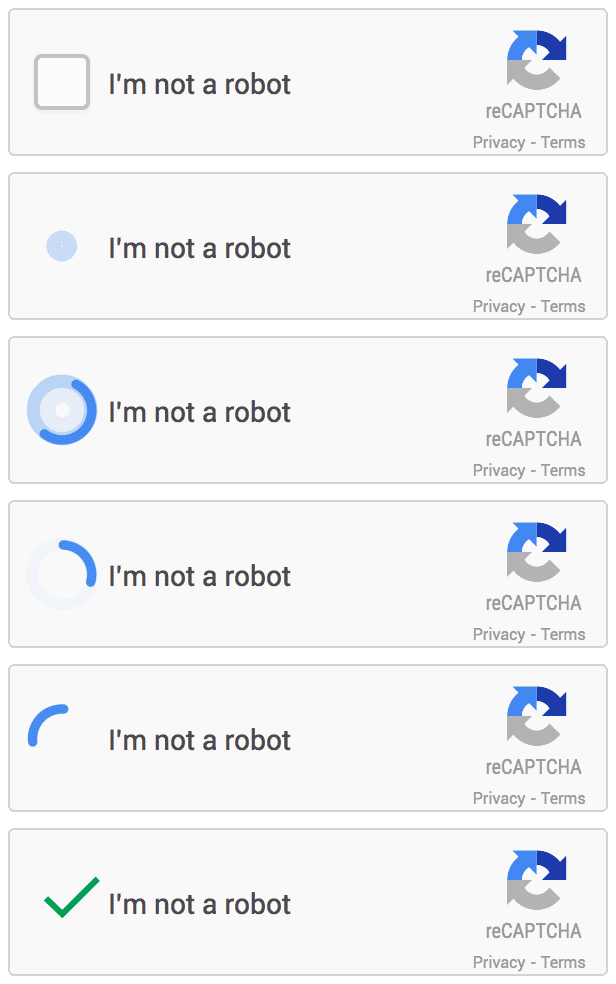
reCAPTCHA v2 is among the most widespread challenges on the web, from the familiar checkbox to silent and callback variants. CapSkip solves each of these locally in seconds, so your automation will not stall every time one appears. Since it emulates popular solver APIs, wiring it in tends to be painless.
Data control has become a real concern when each challenge is sent to a remote service. With CapSkip, nothing leaves your machine, so private workflows stay contained. If you handle sensitive work, that can be the clincher.
The v3 flavor takes a different tack: rather than a visible challenge, it rates interactions behind the scenes. Getting a usable token requires tooling that understands how v3 behaves, and CapSkip is built to do exactly that, returning results quickly so your pipeline continues.
Broad language support lets CapSkip work with CAPTCHAs in many locales, which is important the moment your targets are international. This coverage helps keep solve rates high regardless of where the target is based.
Image CAPTCHAs remain everywhere, on sign-up pages to checkout screens. CapSkip recognizes thousands of image CAPTCHA types on your own hardware, typically almost instantly. That kind of throughput adds up when you process high numbers of challenges.
Good documentation and examples shorten onboarding faster. Between the setup guide to the API reference and an FAQ, the common questions are answered without ever filing a ticket, so your team spends effort on shipping instead of firefighting.
The browser extension puts solving straight into the browser and Chromium browsers such as Brave and Edge. For hands-on tasks or quick automation, the extension handles challenges without extra configuration.
CapSkip’s API was built to emulate the endpoints of the major CAPTCHA-solving services. In practical terms, tools and tools that already call those services are able to point at CapSkip needing little learn more than a URL change and zero new code.
Solid docs plus tutorials make onboarding smoother. From the setup guide to the API reference and the FAQ, the common questions have clear answers before ever filing a ticket, so the team puts effort on building instead of troubleshooting.
Fundamentally, a CAPTCHA solver reads a challenge and produces the answer a site expects, so an automated script can keep going. The difference with CapSkip is that everything happens locally – nothing is shipped off to a stranger, and there are no per-CAPTCHA charges. That combination of privacy and flat pricing turns out to be a real advantage for serious workloads.
Google reCAPTCHA v2 remains one of the most common challenges on the web, from the classic checkbox to silent and callback variants. CapSkip solves each of these locally in seconds, which means your scraper will not stall whenever one appears. Because it emulates popular solver APIs, hooking it up tends to be straightforward.
 Turnstile is now a common gatekeeper on pages that want to block bots without traditional image puzzles. CapSkip clears Turnstile on your machine within seconds, covering the challenge and managed variants. If you run scrapers that keep hitting Turnstile, this removes a major obstacle.

